



What to Expect During the Recovery Period
A tummy tuck, or abdominoplasty, is a major surgical procedure. The body needs real time to heal the muscles, skin, and tissue that were repositioned or removed. The overall recovery period typically spans six to eight weeks, though some residual swelling can linger for several months.
Patience is essential. Rushing back into your normal routine too quickly can compromise your results and increase the risk of complications. Planning your recovery in advance, arranging help at home, preparing meals, and organizing your space can make a tremendous difference in how comfortable and safe those first days feel.
The First Week: Bed Rest and Early Healing
The first week after surgery is the most physically demanding part of recovery, even though you won’t be doing much at all. Bed rest is the priority during this period. Your body will be focused entirely on healing, and your job is to let it do exactly that.
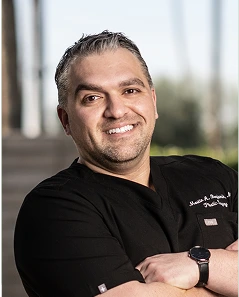
You’ll likely be sent home with surgical drains in place to prevent fluid buildup. These are typically removed within the first week or two, depending on drainage levels. You’ll need to empty and measure the drainage daily and keep the incision site clean and dry. Some experienced surgeons, such as Dr. Martin Benjamin, offer a no-drain tummy tuck procedure to make recovery easier. Most patients feel groggy and sore in the early days, and walking upright may be difficult due to abdominal tension.
Here’s what you can typically expect in week one:
Significant swelling, bruising, and tightness around the midsection
Limited mobility; walking slightly hunched is normal
Fatigue from anesthesia and the healing process
Surgical drains in place (removal is usually within 7–14 days)
Prescription medications to control discomfort
No lifting, bending, or strenuous movement of any kind
Having someone at home to help with meals, medications, and basic tasks is essential during this phase.
How to Manage Pain After Surgery
Discomfort in the first week is real, but it is very manageable with the right approach. Your surgeon will prescribe pain medication to manage pain in the immediate aftermath of surgery. Most patients find that pain peaks in the first 48 to 72 hours and then gradually decreases. Staying ahead of discomfort by taking medications on schedule, rather than waiting until pain becomes severe, makes a noticeable difference.
Ice packs wrapped in cloth can help with localized swelling (never place ice directly on the skin near the incision). Keeping your upper body slightly elevated while resting also reduces pressure on the abdomen. By the end of the first week, many patients have transitioned from prescription pain relievers to over-the-counter options.
The Second Week: Moving Toward Independence
The second week brings welcome relief. Most people begin to feel more like themselves, with energy returning gradually and pain becoming more manageable. Swelling is still present, but bruising often begins to fade. You’ll likely still be restricted from driving, especially if you’re taking pain medication, but short walks around the house or outside are encouraged to promote circulation and reduce the risk of blood clots.
Surgical drains are usually removed by this point, which many patients find brings immediate comfort. You may be cleared to shower more freely, though soaking in baths or pools remains off-limits for several more weeks. Light activities like reading, watching television, or doing gentle work on a laptop are generally fine, but anything that engages the core muscles should be avoided entirely.
The Compression Garment: Your Most Important Recovery Tool
Throughout your recovery, you’ll be required to wear a compression garment around your midsection, usually for four to six weeks, sometimes longer. This specialized garment reduces swelling, supports the healing tissues, and helps the skin conform to its new contour. Many patients find it restrictive at first, but most quickly realize how much better they feel with it on compared to without it.
Wear your compression garment exactly as directed. Taking it off for extended periods can cause increased swelling and discomfort. Most garments are designed to be worn day and night, with brief removal only for bathing and washing the garment itself.
Continued Healing: Weeks Three Through Six
By weeks three and four, many patients feel dramatically better. Swelling continues to decrease, and the abdominal area starts to look and feel closer to the final result. Light household activities are usually permitted, though heavy lifting and vigorous exercise remain off-limits. Some patients return to desk jobs with office-based work during this window, though every case is different.
Returning to Normal Activities
The timeline for resuming normal activities depends heavily on the type of work you do and your individual healing pace. Most people can ease back into light cardio, like walking, around weeks four to six. Returning to more vigorous exercise, including strength training or any activity that engages the core intensely, typically occurs at the six-to-eight-week mark, with surgeon clearance. Listen to your body and resist the urge to rush.
Supporting Recovery with a Healthy Diet
What you eat during recovery plays a bigger role than most people expect. A healthy diet rich in protein supports tissue repair and helps the body rebuild. Foods high in vitamin C, such as citrus fruits, strawberries, and bell peppers, support collagen production, which is essential for wound healing. Staying well hydrated is equally important, as dehydration slows down the healing process.
Try to minimize heavily processed foods, excess sodium (which worsens swelling), and alcohol, which can interfere with medications and slow healing. High-fiber foods help prevent constipation, a common side effect of both anesthesia and prescription pain medications.
Final Results: The Long-Term Outlook
It’s important to understand that what you see at six weeks is not your final result. Final results from a tummy tuck can take anywhere from six to twelve months to fully appear, as residual swelling resolves and the scar matures. The scar itself will initially appear pink and raised, but it gradually fades to a thin line over the course of a year or more. Scar creams and silicone sheets, recommended by your surgeon, can help the process along.
Maintaining a stable weight after surgery will preserve your results long term. Significant weight fluctuations can stretch the skin and affect the contour you worked so hard to achieve.
Working with a Board-Certified Plastic Surgeon
The single most important factor in a safe and effective recovery is starting with the right surgeon. Working with a board-certified plastic surgeon ensures your procedure is performed to the highest safety and aesthetic standards. Attend all scheduled post-operative appointments, ask questions freely, and never hesitate to call the office if something feels wrong. Unusual redness, fever, increased pain, or changes at the incision site are all reasons to reach out without delay.
Tips for a Smooth Recovery
A smooth recovery doesn’t happen by accident. It’s the result of preparation, patience, and careful adherence to your surgeon’s instructions. A few key habits make a significant difference:
Arrange help at home for at least the first two weeks
Set up a comfortable recovery space before your surgery date
Attend all follow-up appointments without skipping
Avoid smoking, which dramatically impairs healing
Wear your compression garment as directed, every day
Rest without guilt; healing is your only job right now
A tummy tuck is a meaningful investment in how you feel in your own body. Give your recovery the same thoughtfulness and care you gave to making the decision, and your results will reflect it.
Experience Smoohter Recovery with a No-Drain Tummy Tuck
If the idea of managing surgical drains during recovery has been holding you back, a no-drain tummy tuck procedure may be exactly what you’ve been looking for. By eliminating the need for post-operative drains, this advanced technique reduces discomfort, lowers the risk of complications, and supports a smoother healing journey from day one. Combined with a commitment to a healthy lifestyle before and after surgery, patients often find their recovery far more manageable than they anticipated.
To find out whether you’re a good candidate, schedule your tummy tuck consultation with Dr. Benjamin today and take the first step toward a more confident you.
Conclusion
Recovering from tummy tuck surgery is a process that unfolds gradually, and the effort you put in during those early weeks pays off in lasting ways. As patients begin to move through the recovery process, small daily habits make a meaningful difference. Eating a balanced diet, staying hydrated, and taking short walks to promote blood circulation all work together to support healing from the inside out. Following your surgeon’s guidance on when to resume strenuous exercise and how long to protect your abdominal muscles from strain is equally critical. Taking your prescribed pain medication on schedule, rather than waiting for discomfort to peak, can alleviate discomfort and help you rest more effectively, which is when much of your body’s repair work happens.
Every day of tummy tuck recovery is a step forward, even when it doesn’t feel like it. Whether your goal was to address loose skin after significant weight loss or to restore core strength and contour, the path to your best tummy tuck results runs directly through a well-managed tummy tuck recovery journey. Stay consistent, attend your follow-up appointments, and continue to minimize swelling by wearing your compression garment and avoiding anything your surgeon has advised against. When you give your body the right conditions for optimal healing, the results – and the confidence that comes with them – are absolutely worth the wait.
Procedure Accessible