


Understanding the Healing Process
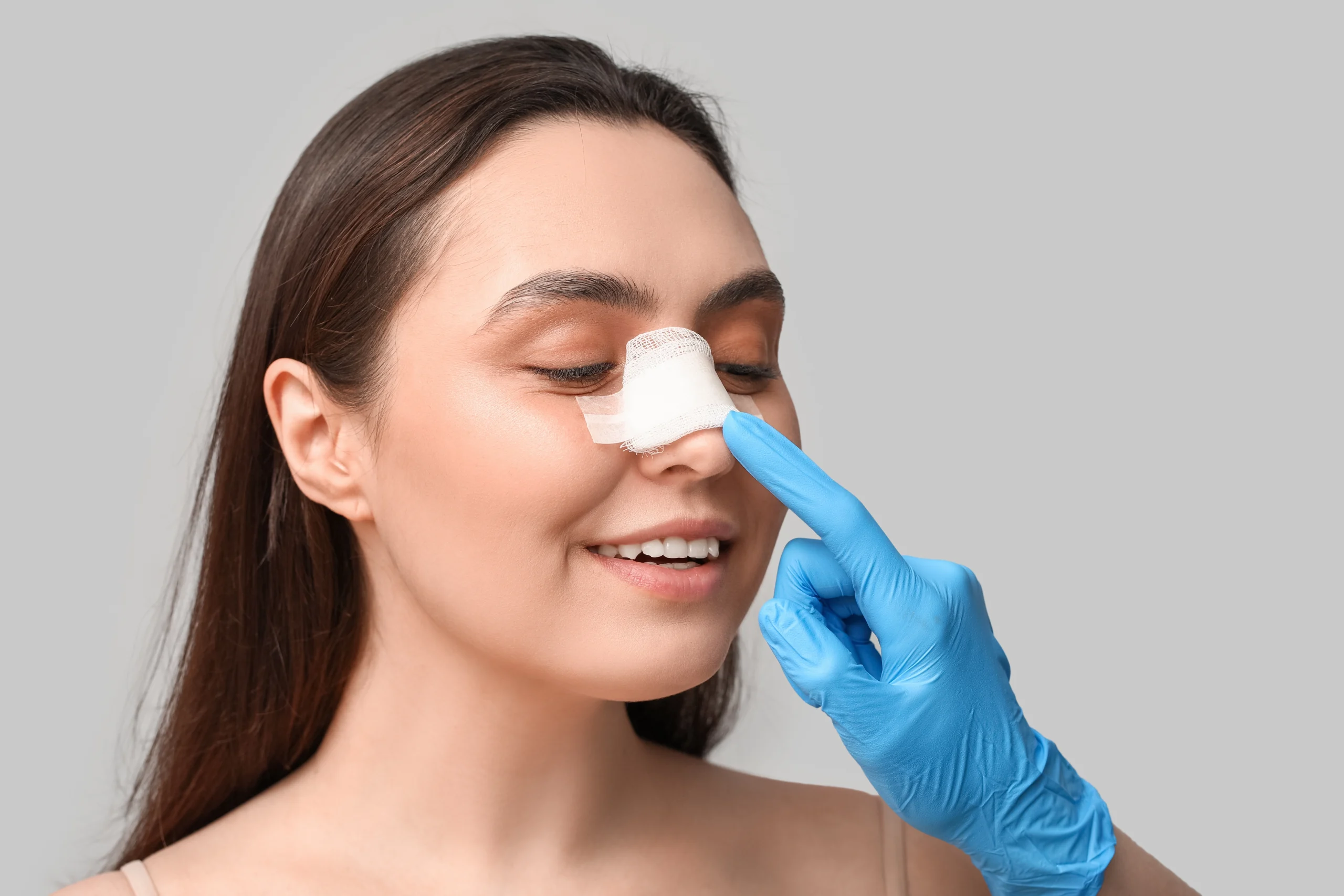
Rhinoplasty is one of the most commonly performed cosmetic procedures, and like any surgical intervention, it requires time and patience for optimal results. The recovery is gradual and highly individual, influenced by factors such as your age, overall health, the extent of surgery, and how well you follow postoperative instructions. During recovery, your body works to repair surgical sites, reduce inflammation, and adapt to your nose’s new structure. While recovery follows a general pattern, some people heal faster than others. Understanding this timeline helps set realistic expectations and ensures you take proper care during each phase.
Week 1: The Initial Recovery Period
The first week represents the most critical phase and typically involves the most discomfort and visible changes. Immediately after surgery, you’ll wake up with a splint on your nose and possibly packing inside your nostrils. Swelling and bruising around your nose and eyes are normal and usually peak around the second or third day before gradually improving. Pain during this week is generally manageable with prescribed medication. More bothersome than pain is the congestion and the need to breathe through your mouth, which can cause dry lips and a dry throat.
Use Cold Compresses
One of the most effective tools for managing early discomfort is the strategic use of cold compresses. Apply them gently to the cheek area – never directly on the nose itself – to help reduce swelling and provide comfort. Use them for 10-15 minutes at a time with breaks in between. The cooling effect constricts blood vessels, minimizing inflammation and bruising. Most surgeons recommend using cold compresses frequently during the first 48-72 hours when swelling is at its peak.
Keep Your Head Elevated
Elevation is crucial throughout the initial week and beyond. You should keep your head elevated at all times, even while sleeping. Use two or three pillows to prop yourself up at about a 45-degree angle, which helps minimize swelling and promotes drainage. This position prevents blood from pooling in your face and reduces pressure on the surgical site. Avoid any strenuous activity, bending over, or lifting anything heavy, as these actions increase blood pressure in your face and can cause bleeding or increased swelling. Most patients take at least one week off from work during this period.
Week 2: Improvements After Nose Surgery
The second week marks a turning point in your recovery. Most surgeons remove the external splint and any internal packing or stitches around day seven, which provides immediate relief. Once the splint comes off, you’ll see your new nose shape for the first time, though it will still be quite swollen. Don’t be alarmed if your nose appears larger than expected – this is completely normal. Bruising typically fades significantly during this week, transitioning from dark purple to yellowish-green before disappearing.
Weeks 3-4 of the Recovery Period
Months 2-3: Advanced Healing Stage
During the second and third months, the healing stages become less dramatic but continue steadily. Most residual swelling resolves during this period, revealing more of your final result. The tip of the nose, which tends to hold swelling longer than other areas, begins to refine noticeably. By three months post-surgery, approximately 70-80% of swelling subsides. You can typically resume all normal activities, including vigorous exercise and contact sports, once your surgeon provides approval (usually around the six-week to three-month mark).
Months 4-12: Final Results Emerge
Long-Term Care Considerations
Even after complete healing, protecting your investment makes sense. Always wear sunscreen on your nose, as sun damage can affect scar tissue and skin quality. If you wear glasses, discuss proper support methods with your surgeon to avoid placing pressure on the bridge. Avoid any trauma to your nose, as the bones and cartilage can be injured even years after surgery. Stay connected with your surgeon through recommended follow-up appointments to monitor your results and address any concerns.
The Importance of a Healthy Diet After Plastic Surgery
Final Thoughts on the Nose Job Recovery Time
Understanding the rhinoplasty recovery timeline empowers you to navigate your rhinoplasty recovery journey with confidence and realistic expectations. This facial plastic surgery is a transformative surgical procedure that requires careful attention throughout the rhinoplasty recovery process, from the initial healing phase when you manage discomfort with pain management strategies to the months-long period of swelling reduction.
During your rhinoplasty consultation, your surgeon will provide personalized tips, explaining how your nasal bones, nasal tissues, and nasal passages will heal over time. Most rhinoplasty patients find that, while the early recovery phase involves challenges, such as nasal congestion from the nasal splint and managing rhinoplasty swelling, severe pain is rare, and the discomfort is manageable.
The key to a successful recovery and proper healing lies in following your surgeon’s instructions precisely, particularly regarding elevation, avoiding sun exposure, and attending all follow-up appointments to monitor your healing progress. This cosmetic surgery transforms not just your appearance but often your confidence, making the temporary inconveniences of rhinoplasty surgery worthwhile. By understanding what to expect during each stage of the rhinoplasty recovery process, you can take an active role in ensuring a smooth healing and optimal results.
Remember that everyone’s rhinoplasty recovery journey is unique, so focus on your own healing progress rather than comparing yourself to others. The investment you make in this surgical procedure – both financially and in terms of recovery time – pays dividends when you see your final results. Trust the rhinoplasty procedure, trust your rhinoplasty surgeon’s skills, and trust that patience and proper care will reveal the beautiful, balanced nose you’ve always envisioned.
Procedure Accessible