

Children usually bounce back from otoplasty faster than adults because their skin and ear cartilage are softer and heal quickly, while adults may experience swelling or tenderness for longer but can manage their own care and often return to desk work within about a week. In both age groups, the main recovery tasks are the same: protect the ears, wear a headband as directed, and avoid activities that could bump or bend the ears while they settle.
This guide explains how age shapes the healing timeline and the return to daily life. Our board-certified plastic surgeon in Phoenix, AZ uses these factors to build a recovery plan that fits each patient, whether that patient is in first grade or in their forties.
Otoplasty is cosmetic ear surgery. It changes the shape, position, or size of the outer ear. The most common reason people seek it is ears that stick out too far from the head. Surgeons often call these “prominent ears.”
Otoplasty can also address:
Ears that are uneven in size or shape
An ear fold that never formed fully
Large or stretched earlobes
Ear shapes that cause a person to feel self-conscious
Otoplasty does not change hearing. It works only on the visible outer ear. Because the ear sits so close to the face, even small changes can affect how balanced the whole face looks. That is why otoplasty fits within our broader approach to facial procedures.
The goal of otoplasty is the same at any age: natural-looking ears that sit closer to the head and match each other. What changes with age is the tissue the surgeon works with and the way the patient handles recovery.
Ear cartilage changes over time. In young children, it is soft and bendable. It holds a new shape fairly easily. As a person grows older, cartilage becomes firmer and more resistant to change. By adulthood, it can feel almost stiff.
This difference shapes the plan in a few ways:
Children often need less reshaping force because their cartilage responds readily.
Adults may need added steps to help firmer cartilage hold its new position.
Anesthesia choices often differ. Young children usually do better fully asleep, since holding still during surgery is hard for them. Many adults are candidates for lighter options, depending on the plan.
The approach for each patient is decided during the consultation, after the surgeon examines the ears.
Age is only one part of the picture. Our surgeon also looks at:
Ear development. The ear reaches most of its adult size by around age 5 or 6. Surgery before that point is usually not advised.
Cartilage thickness. Thicker cartilage may need a different approach than thin cartilage, even in two patients of the same age.
Skin quality. Younger skin tends to be more elastic. Adult skin may have less spring, which can affect how the ear settles.
The specific concern. Correcting a missing fold is different from reducing a large earlobe.
Symmetry goals. Both ears are assessed together so the final result looks balanced.
Overall health. Adults may have health conditions or take medications that affect planning and healing.
Each of these factors feeds into a plan built around one patient, not a standard template.
Recovery is where age makes the clearest difference. Younger bodies tend to heal faster. Adults tend to follow instructions more reliably. Both facts shape what the weeks after surgery look like.
Children often move through early healing quickly. A general timeline looks like this:
Days 1 to 3: A soft, padded head dressing covers the ears. Mild soreness is common. Most children rest at home and need help with simple tasks.
Days 3 to 7: The bulky dressing is usually swapped for a lighter headband at a follow-up visit. Swelling and bruising start to fade.
Week 1 to 2: Many children feel like themselves again. Energy returns, and they want to play.
Weeks 2 to 6: The headband is often worn at night, and sometimes during the day, to protect the ears. Rough play and contact sports stay off limits.
Months 2 to 3: Remaining swelling fades, and the ears settle into their new shape.
The hardest part for many children is not discomfort. It is staying patient. A child who feels fine on day five may want to wrestle with siblings or skip the headband. Parents play a key role in keeping the ears protected.
Adults follow a similar path, but swelling and tenderness often last a bit longer:
Days 1 to 3: A head dressing protects the ears. Soreness, tightness, and a feeling of pressure are common.
Days 3 to 7: The dressing is usually replaced with a headband. Many adults feel well enough to handle light tasks around the house.
Week 1 to 2: Most adults return to desk work or other low-activity jobs. Some swelling and numbness may remain.
Weeks 2 to 6: Nighttime headband use continues. Light exercise may resume when cleared, with more strenuous activity added later.
Months 3 to 6: Firmer adult tissue may take longer to fully settle. Numbness along the ear often improves slowly over this period.
Adults have one advantage: they understand why each step matters. Most adults follow headband and activity rules closely, which supports a steady recovery.
No matter the patient’s age, the first two weeks set the tone for healing. A few priorities apply to everyone:
Keep the dressing in place until the surgical team removes or changes it.
Sleep with the head raised on extra pillows to help reduce swelling.
Avoid sleeping on the side so there is no pressure on the ears.
Follow hair-washing instructions. Patients are usually told when they can shower and wash their hair.
Wear button-up or zip-front tops so nothing has to be pulled over the head.
Attend every follow-up visit so the surgeon can check how the ears are healing.
Our team operates in our own surgery center, and we also have an on-site recovery center with overnight stays available. You can learn more about our surgery and recovery center and how it supports patients after surgery.
Timelines tell only part of the story. The day-to-day experience of recovery feels different for a child and an adult.
For children:
Most children describe the feeling as soreness or itching rather than sharp pain. Discomfort is usually managed with medication recommended by the surgical team. Parents should give medications only as directed.
Activity limits are the bigger challenge. Children should avoid:
Contact sports such as football, soccer, and martial arts
Playground climbing and rough play
Swimming until cleared
Tight hats, helmets, or headphones that press on the ears
Simple strategies can help. Plan quiet activities such as puzzles, books, crafts, and movies for the first week. Let the child pick a headband color or pattern so it feels less like a medical item. Talk with teachers and coaches ahead of time so everyone knows the rules.
For adults:
Adults often report more tightness and pressure than children do, and tenderness may last longer. Pain is usually manageable with the medication plan the surgeon provides.
Adults should plan to avoid:
Strenuous exercise and heavy lifting for the first few weeks
Contact sports for longer, often around six weeks or until cleared
Glasses that rest heavily on the ears, unless the surgeon approves
Earbuds and over-ear headphones until cleared
Adults who wear glasses daily should raise this at the consultation. Our team can talk through options for the first weeks.
Children and school:
Many children return to school about one week after surgery. Some families time the surgery for a school break, such as summer or winter vacation, so the child has extra time at home. This also means fewer questions from classmates while the headband is still visible.
Before returning, children should know:
No contact sports during gym class until cleared
How to say no to games that involve grabbing or tackling
To tell a teacher right away if the ear is bumped
Adults and work:
Adults with desk jobs often return within five to seven days. People with physically demanding jobs may need two weeks or more before they can lift, bend, or work in settings where the ears could be bumped. Swelling may still be visible at first. Some adults choose to wear their hair down or wear a loose headband to cover the ears.
Remote work can make an earlier return easier. Video calls are usually fine once the bulky dressing is off.
There is no single correct age for otoplasty. The right timing depends on the patient’s development, goals, and readiness.
For children, many surgeons consider ages 5 to 6 a common starting point. By then, the ears are close to adult size. Some families choose this window because it comes before many children become aware of teasing at school. Still, the child’s own feelings matter. A child who is upset about their ears and wants a change usually handles recovery better than one who does not understand why surgery is happening.
Signs a child may be ready:
They can describe what bothers them about their ears
They can follow simple rules, such as keeping a headband on
They can tell an adult when something hurts
They show interest in the change, not just the parent
For teens, the ears are fully grown, and teens can take an active role in decisions and recovery. Busy schedules with sports and school activities may affect timing.
For adults, there is no upper age limit as long as the patient is healthy. Many adults choose otoplasty after years of wanting a change. Some pair it with other facial procedures, such as rhinoplasty, to improve overall facial balance. Adults should plan around work demands, travel, and events where they want the ears fully settled.
Questions to ask when choosing timing at any age:
Is there a stretch of one to two weeks with lighter responsibilities?
Are there sports seasons or events in the next two months to work around?
Is someone available to help during the first few days?
Because so much depends on age, Otoplasty for Adults vs Children: What Changes About Recovery Depending on Age is a topic worth raising directly with your surgeon. The answer shapes both when to schedule surgery and how to prepare for the weeks after.
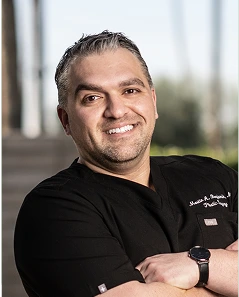
A consultation is the first step for any patient considering ear surgery. Our team includes Dr. Martin Benjamin, MD, FACS, a board-certified plastic surgeon. You can read more About Dr. Benjamin and his background before your visit.
During the consultation, the surgeon will:
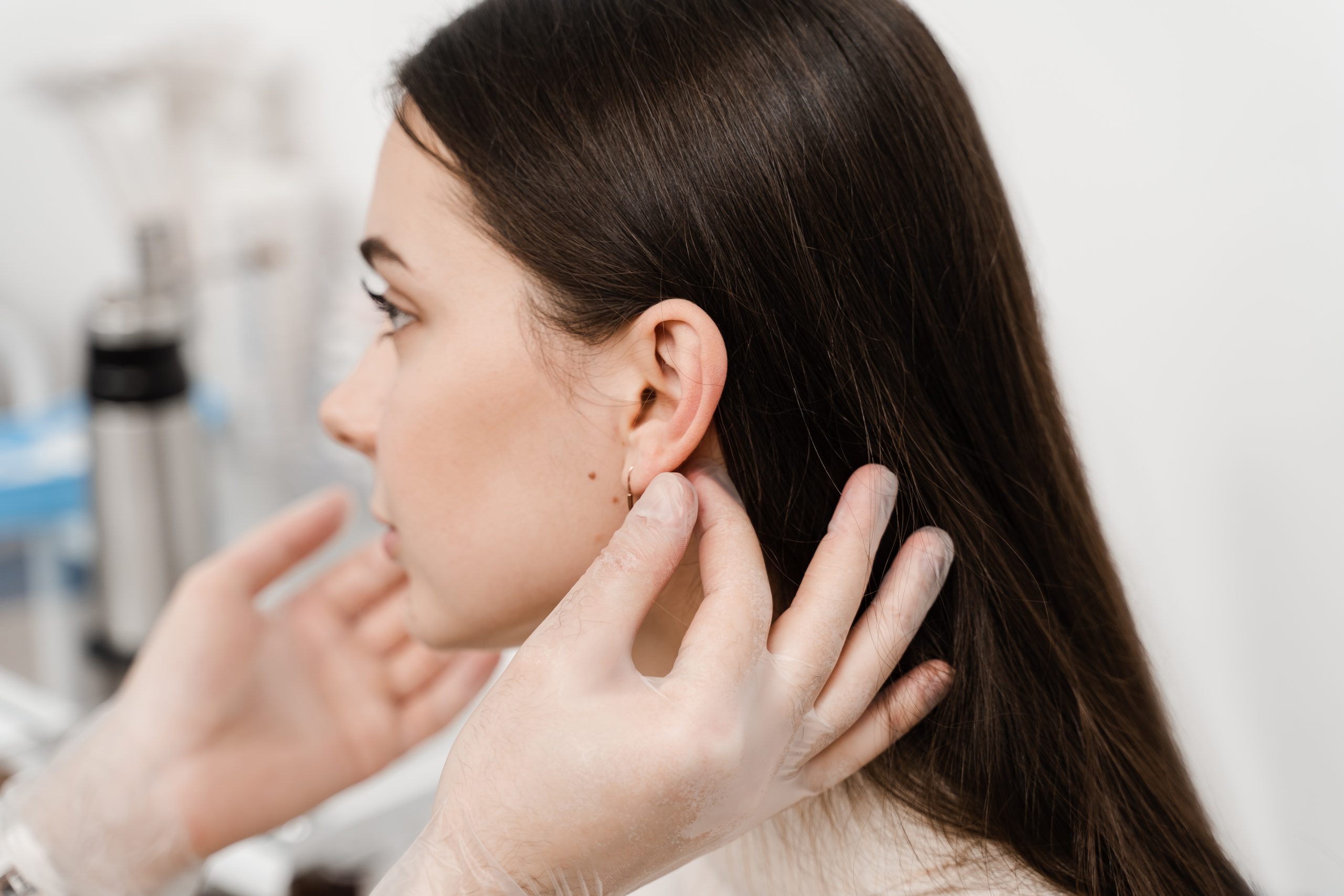
Examine both ears and assess cartilage and skin
Talk through what the patient wants to change
Explain how age and anatomy shape the surgical plan
Review what recovery will look like for that specific patient
Answer questions from the patient and, for children, from parents
For children, the surgeon will also talk with the child directly. This helps confirm that the child understands the process and wants the change. For adults, the conversation often includes how recovery fits around work and daily life.
Patients leave the consultation with a clear picture of their plan, their expected recovery timeline, and what they need to do at home to protect their results.
Otoplasty for Adults vs Children: What Changes About Recovery Depending on Age comes down to healing speed, tissue firmness, and the ability to follow care instructions. Children heal quickly but need supervision, while adults may notice swelling and tenderness for longer but tend to follow instructions closely. A recovery plan tailored to the patient’s age and lifestyle supports a smooth healing process.