


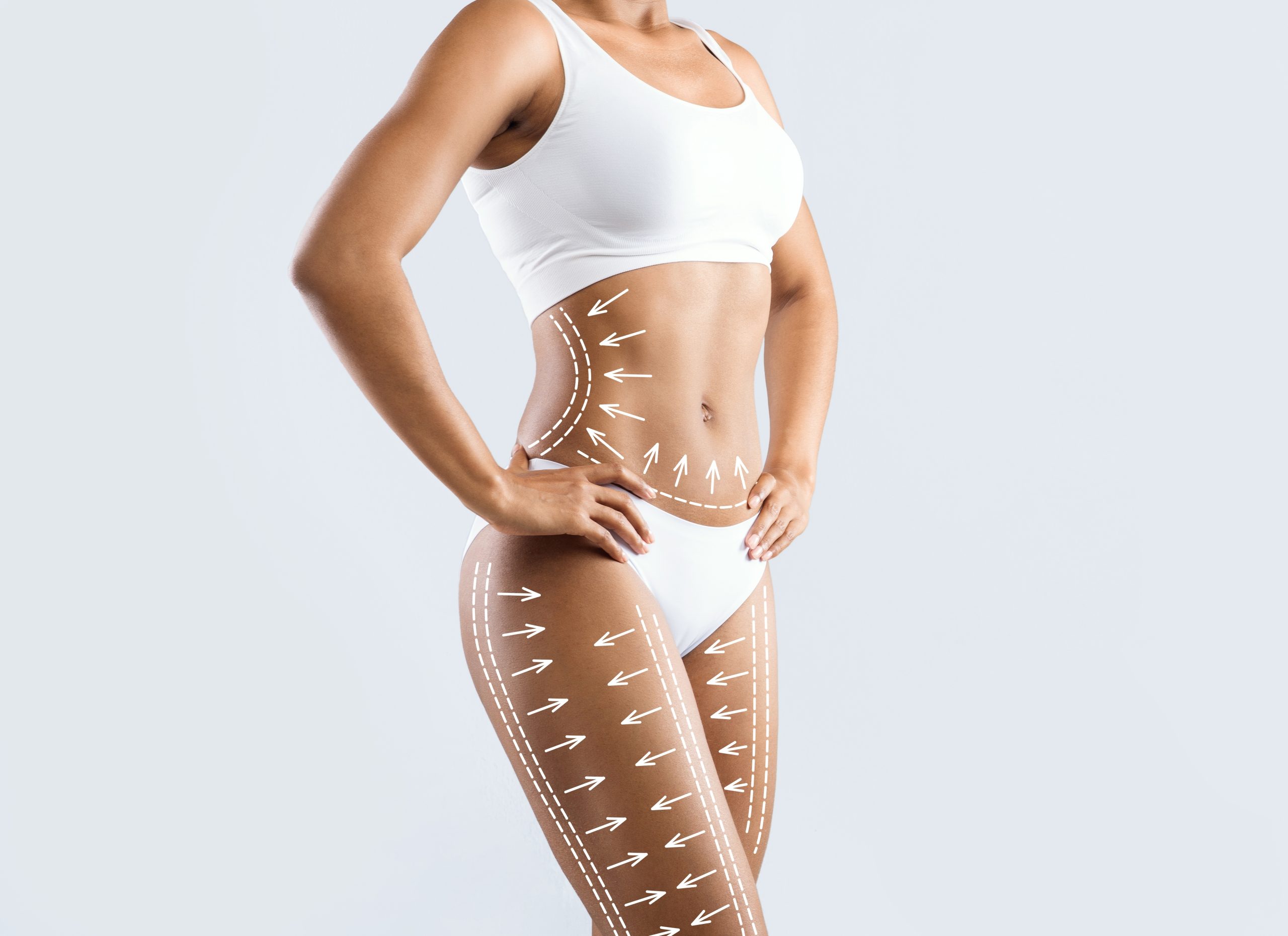
Preparing for Your Liposuction Consultation
Before your liposuction surgery, meeting with your plastic surgeon for a liposuction consultation is essential. These preparations significantly impact your recovery experience. You’ll typically need to:
- Stop taking blood-thinning medications and supplements at least two weeks before surgery
- Arrange for someone to drive you home and stay with you for the first 24 hours
- Purchase compression garments in advance (though many surgeons provide these)
- Prepare a recovery area at home with easy access to essentials
- Fill any prescribed medications before your procedure date
Your surgeon will also discuss realistic expectations based on your body type, the areas being treated, and your overall health. This is an excellent time to ask questions about concerns and to clarify post-operative care requirements.
The First Week After Liposuction Surgery
The first week following your liposuction procedure is the most intensive recovery period. You’ll experience the most discomfort, swelling, and bruising during these initial days, but proper care sets the foundation for optimal healing.
Managing Your Healing Process
Expect moderate to significant soreness that feels similar to intense muscle aches after a strenuous workout. Your doctor will prescribe pain medication to manage discomfort during the first few days. Many patients transition to over-the-counter pain relievers by day three or four. You’ll also notice fluid drainage from incision sites, which is completely normal.
The Importance of Compression Garments
Wearing compression garments is absolutely critical during this phase. These specialized garments minimize swelling, support healing tissues, reduce bruising, and help your skin conform to your new contours. You’ll wear them 24/7 during the first week, removing them only for brief showers if your surgeon permits.
Gentle Movement
Despite feeling fatigued, gentle movement is essential from day one. Short walks around your home every few hours prevent blood clots, reduce swelling, and promote circulation.
Weeks 2-3: Early Body Contouring Results
As you move beyond the first week, you’ll notice substantial improvements in how you feel, though visible swelling remains prominent. Most patients return to non-strenuous work during the second week. Bruising begins to fade from dark purple to yellow-green, and while swelling persists, the most dramatic inflammation starts to subside.
By week three, many people resume light exercise, such as walking, gentle yoga, or slow cycling. The healing accelerates noticeably during this period. Swelling decreases significantly, and you’ll start seeing hints of your new shape, though you’re still months away from final outcomes.
Four to Six Weeks: A Major Milestone
During four to six weeks post-procedure, most restrictions lift gradually. Your plastic surgeon will evaluate your progress and may clear you for more vigorous exercise, though high-impact activities and heavy lifting typically remain off-limits until week six or beyond.
The four- to six-week milestone marks a major turning point in recovery. Most patients receive clearance for all normal activities, including unrestricted exercise and athletic pursuits. Your body has healed sufficiently that you can resume strength training, running, swimming, and other high-intensity workouts.
However, understanding that results continue evolving for many months afterward is crucial. Residual swelling, though minimal, can persist for six to twelve months. This is particularly true for areas with more extensive fat removal or locations prone to swelling, such as the abdomen and thighs.
Does Liposuction Remove Cellulite? And Other Common Questions
One of the most frequently asked questions during recovery is: Does liposuction remove cellulite? The answer is no – liposuction removes fat deposits beneath the skin but doesn’t address the structural causes of cellulite, which involves fibrous bands connecting skin to underlying tissue and the way fat cells push against the skin.
Other common concerns during this phase include:
- When sensation will return to treated areas (typically 2-6 months)
- Whether lumps and bumps are normal (yes, during early healing)
- How to manage persistent swelling (continued compression, lymphatic massage)
- When incision scars will fade (6-12 months for full maturation)
Seeing Your Liposuction Results Over Time
Between months two and three, your recovery reaches an exciting phase where body contouring results become increasingly apparent. The majority of swelling has resolved by this point, allowing you to appreciate the significant changes in your body shape. You may still notice some residual swelling, particularly in the evenings or after extended periods of standing.
Complete liposuction results typically become visible between six and twelve months post-procedure. At this point, all swelling has resolved, tissues have fully settled, and your new contours are permanent – assuming you maintain a stable weight.
To preserve your results long-term:
- Maintain a balanced, nutritious diet that supports your goal weight
- Exercise regularly, incorporating both cardiovascular and strength training
- Stay hydrated to support skin elasticity and overall health
- Avoid significant weight fluctuations that could alter your contours
The Role of Your Plastic Surgeon Throughout Recovery
These check-ins typically occur at:
- 1 week post-procedure
- 2-4 weeks post-procedure
- 3 months post-procedure
- 6 months post-procedure
- 1 year post-procedure (final evaluation)
When to Contact Your Medical Team
While most recovery experiences follow predictable patterns, certain symptoms warrant immediate medical attention. Contact your surgeon if you experience:
- Fever above 101°F or persistent low-grade fever
- Increasing pain, redness, or warmth in treated areas
- Sudden swelling in one leg (potential blood clot)
- Excessive drainage or foul-smelling discharge from incisions
- Severe or worsening bruising
- Chest pain or difficulty breathing
Your surgical team would rather evaluate a concern that turns out to be normal than miss a complication requiring intervention.
Final Thoughts on Liposuction Procedures
Understanding your liposuction recovery timeline helps you navigate this transformative journey with confidence and realistic expectations. Working with a board-certified plastic surgeon ensures you receive professional care throughout this outpatient procedure and beyond. While most liposuction patients experience significant swelling and discomfort requiring prescription pain medication for up to two weeks, this surgical procedure to remove unwanted fat delivers remarkable body contouring results when you maintain a healthy weight. Remember that liposuction is not a weight-loss procedure or a substitute for significant weight loss – it’s designed to sculpt and refine areas where stubborn fat persists despite diet and exercise. Depending on how much fat is removed and your body weight, recovery experiences vary, but following your surgeon’s guidance to decrease swelling will optimize your outcomes.
If you’re dealing with loose skin or compromised abdominal muscles after significant weight changes, your plastic surgeon may recommend combining liposuction with other body contouring procedures, such as a tummy tuck, for comprehensive results. While it’s normal to experience discomfort during recovery, severe pain should always be reported immediately to your medical team. The decision to perform liposuction is highly personal, but when performed by skilled professionals on appropriate candidates, this plastic surgery procedure can provide life-changing improvements to your body confidence. Trust your recovery process, stay patient through the healing phases, and look forward to revealing the sculpted contours you’ve been working toward.